Yes—it is absolutely possible to convert a van for a mobile radiology business, and it’s becoming an increasingly popular solution for clinics, imaging providers, and healthcare organizations looking to bring services directly to patients.
A properly designed mobile radiology van can support diagnostic imaging in hospitals, nursing facilities, rural areas, job sites, and community health programs—while maintaining safety, efficiency, and regulatory compliance.
That said, converting a van for mobile radiology requires specialized planning beyond a typical commercial build. Below is what you need to know.
What Types of Radiology Services Can Be Mobile?
Mobile radiology vans are commonly used for:
- X-ray imaging
- Ultrasound services
- Bone density (DEXA) scans
- Limited CT imaging (vehicle-dependent)
- Occupational health and on-site screenings
The type of imaging you plan to offer will directly influence vehicle size, layout, shielding requirements, and power needs.
Vehicle Selection Matters
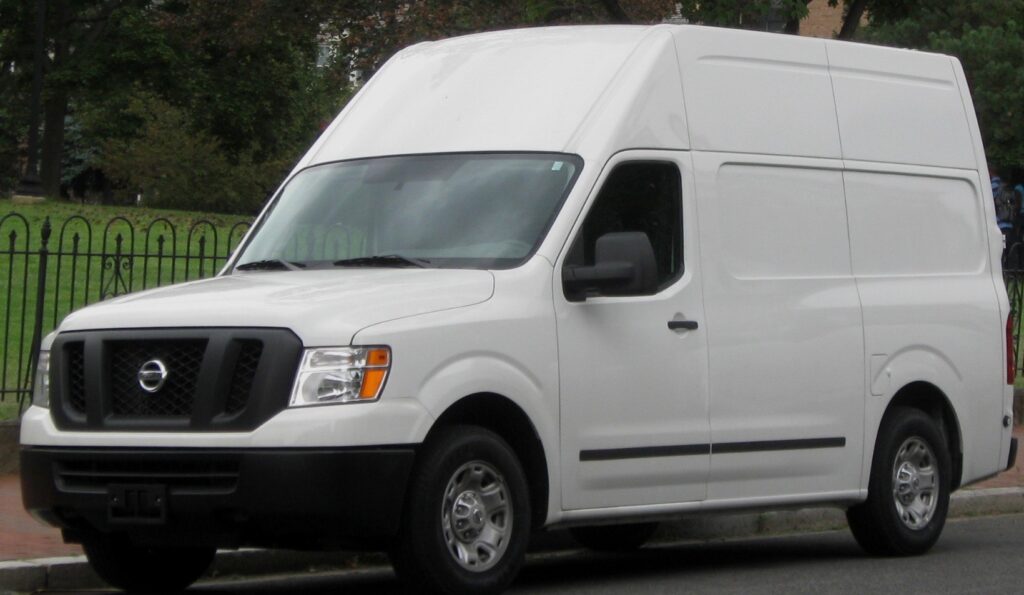
Not every van is suitable for a mobile radiology conversion. Most builds start with:
- High-roof cargo vans
- Extended-length vans
- Box trucks for larger imaging equipment
Key considerations include:
- Interior height for standing and equipment clearance
- Weight capacity for imaging machines
- Axle ratings and suspension upgrades
- Ease of patient entry and exit
Choosing the right platform is the foundation of a safe and functional mobile radiology unit.
Radiation Shielding and Safety Design
One of the most critical elements of a mobile radiology van conversion is radiation protection.
Depending on the equipment used, this may include:
- Lead-lined walls, doors, and panels
- Shielded control areas
- Protective barriers for operators
- Door interlock systems and warning lights
Shielding requirements vary by imaging type and state regulations, so builds must be engineered with compliance in mind from the start.
Power and Electrical Infrastructure
Medical imaging equipment has significant electrical demands. A mobile radiology van typically requires:
- High-capacity generators or battery systems
- Inverters and clean power conditioning
- Shore power connections for facilities
- Redundant systems for reliability
Stable, medical-grade power is essential for equipment performance and patient safety.
Climate Control and Patient Comfort
Imaging accuracy and patient comfort depend on environmental control. Mobile radiology vans often include:
- Dedicated HVAC systems
- Insulation to stabilize interior temperatures
- Quiet operation to reduce patient stress
- Separate zones for equipment and patient areas
Consistent climate control protects sensitive equipment and ensures a professional clinical experience.
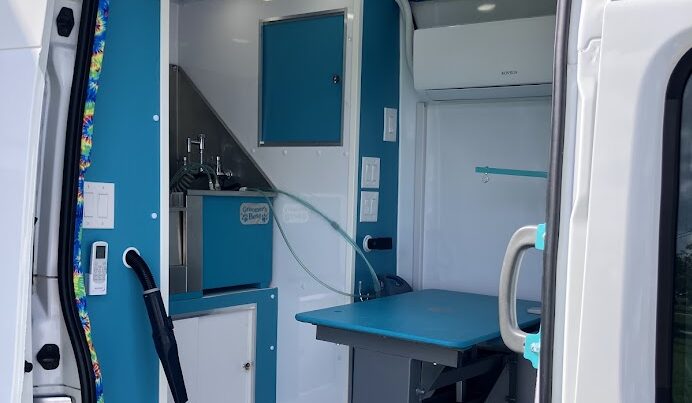
Interior Layout and Workflow Design
Space inside a mobile radiology van must be carefully planned to support both staff workflow and patient movement.
Typical interior zones include:
- Imaging area
- Operator control space
- Patient preparation or waiting space
- Equipment and supply storage
Custom layouts ensure efficiency while maintaining safety and accessibility standards.
Compliance, Licensing, and Regulations
Mobile radiology conversions must comply with:
- State and federal radiation safety regulations
- Department of Health requirements
- Medical equipment manufacturer guidelines
- Vehicle safety and weight regulations
Permitting and inspections are often required before a mobile unit can be deployed, making professional build experience especially important.
Is a Mobile Radiology Van Right for Your Business?
For many providers, a mobile radiology van offers:
- Expanded service reach
- Reduced overhead compared to fixed facilities
- Increased flexibility for on-site imaging
- Improved patient access and convenience
While the upfront investment is significant, the operational benefits can be substantial when the conversion is done correctly.
Final Thoughts
So, is it possible to convert a van for a mobile radiology business? Yes—but success depends on thoughtful design, proper shielding, reliable power systems, and strict regulatory compliance.
A professionally built mobile radiology van isn’t just a vehicle—it’s a fully functioning clinical environment on wheels.